
鈥淭here is so much capital that we can attract and there is such incredible talent that we have here," Urtasun told U of T President Melanie Woodin during a BetaKit event at Toronto Tech Week
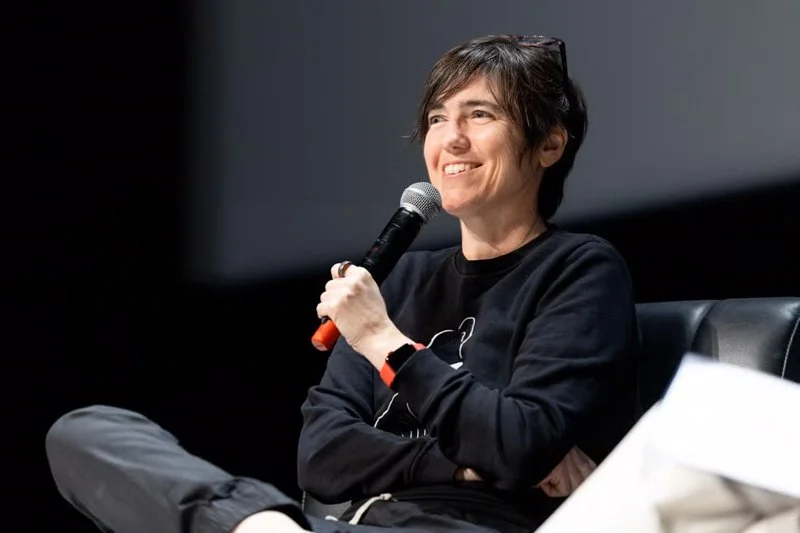
Raquel Urtasun, a U of T professor of computer science who is an expert in autonomous vehicle technologies, is the founder and CEO of self-driving trucking company Waabi, which recently raised up to US$1 billion (photo by Lilac Media / BetaKit)
From self-driving vehicles to new frontiers in robotics, the next wave of AI is moving beyond the digital world 鈥� and Canada has the necessary ingredients to chart a bold path forward.
Attendees at a BetaKit Most Ambitious town hall on May 25 heard how innovators, buoyed by the country鈥檚 strong university-based research system, could play a critical role in safeguarding Canadian sovereignty in this new era.
Raquel Urtasun, founder and CEO of self-driving vehicle company , said transportation is an example of a critical industry that鈥檚 undergoing a major shift.
鈥淭ransportation is something core where 鈥� quoting Evan Solomon, our minister of AI 鈥� 鈥榃e need to make sure that we have control over our destiny,鈥欌�� said Urtasun, who is also a professor of computer science at the University of Toronto, during a fireside chat with U of T President Melanie Woodin.
鈥淲e need to make sure we can move goods and people regardless of how geopolitics and the world evolve over the next few years.鈥�
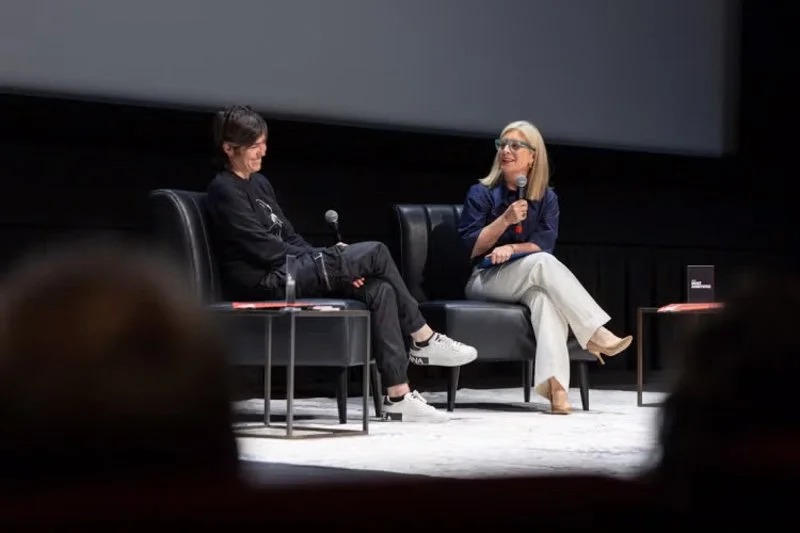
Waabi CEO Raquel Urtasun in conversation with U of T President Melanie Woodin (photo by Johnny Guatto)
Held at the TIFF Bell Lightbox, the event 鈥� part of 鈥� celebrated the innovators named in BetaKit鈥檚 Most Ambitious 2026 issue, . It featured remarks from tech, entrepreneurship and political leaders including Solomon, Canada鈥檚 minister of artificial intelligence and digital innovation, Toronto Mayor Olivia Chow and Christian Weedbrook, a former U of T postdoctoral researcher who is the founder and CEO of quantum computing company Xanadu, which recently made its debut as a public company.
Urtasun said Canada鈥檚 deep roots in AI research and talent offers an opportunity to lead the way in next-generation automotive technology. While the transportation landscape has long been controlled by large car and truck manufacturers, she said that鈥檚 changing with self-driving tech.
In addition to Waabi, Urtasun noted that Canada is home to several other key players in autonomous transportation including parts manufacturer Magna International and operating system developer Blackberry QNX. 鈥淲e have all the important pieces in order to really lead the transportation of the future ... versus 鈥楲et's just try to follow the U.S. and try to have something that's competitive here,鈥欌�� Urtasun said.
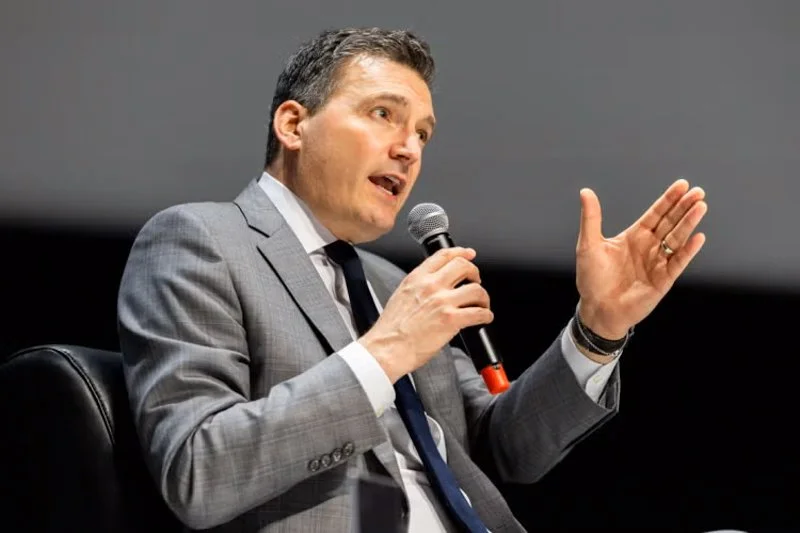
Evan Solomon, Canada鈥檚 minister of artificial intelligence and digital innovation, speaks at the BetaKit event at Toronto Tech Week (photo by Lilac Media / BetaKit)
Waabi has already made . In January, the company announced it raised US$750 million to accelerate commercialization of its self-driving technology 鈥� its investors include Volvo, whose driverless truck is powered by Waabi 鈥� in addition to US$250 million in milestone-based funding from Uber to expand into robotaxis.
Urtasun said she hopes to see more Canadian success stories in the sector. 鈥淭here is so much capital that we can attract and there is such incredible talent that we have here in Toronto, and in Canada in general, that we could become 鈥榯he鈥� player that dictates what it鈥檚 going to be.鈥�
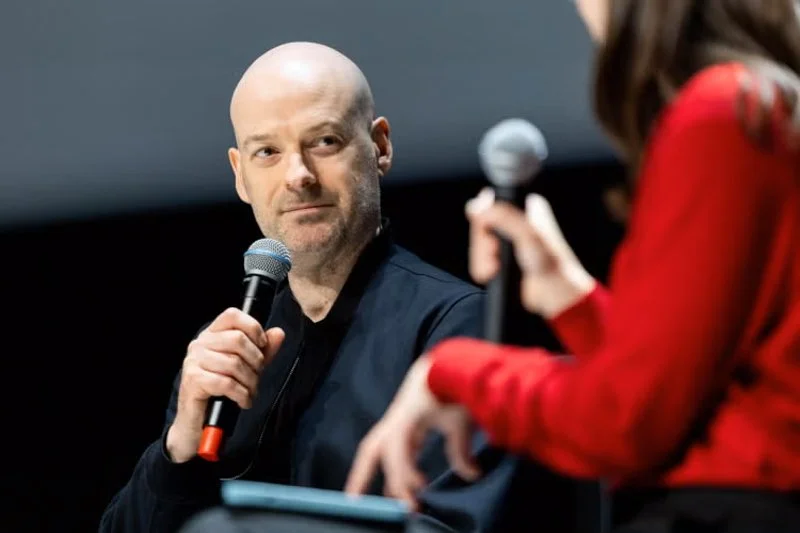
Christian Weedbrook, a former U of T postdoctoral researcher, founded quantum computing company Xanadu (photo by Lilac Media / BetaKit)
Urtasun offered a bold prediction: a majority of vehicles on the road would be 鈥淲aabi-powered鈥� within a decade. She also said there were many other potential applications for the company鈥檚 physical AI platform, ranging from elder care to mitigation of industrial accidents. 鈥淪elf-driving is the first big vertical,鈥� she said, adding that 鈥渘ot going all in on physical AI would be such a big miss for the country.鈥�
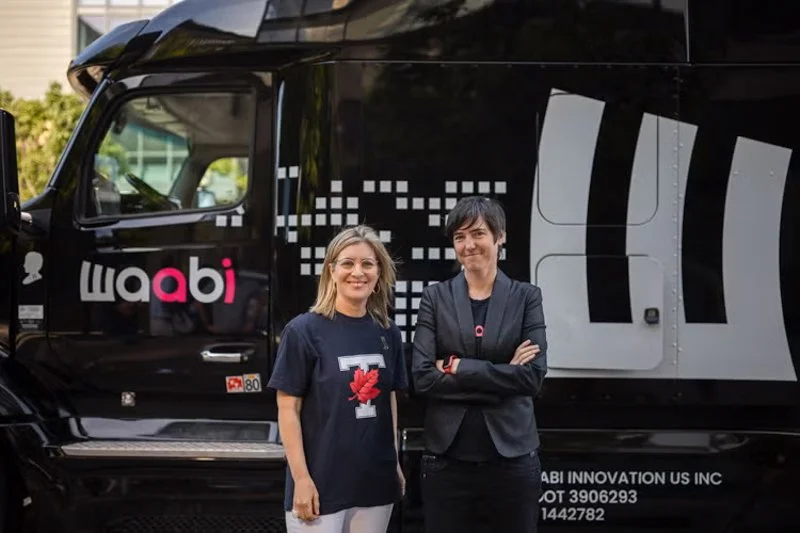
U of T President Melanie Woodin, then dean of the Faculty of Arts & Science, and Raquel Urtasun on campus with one of Waabi鈥檚 self-driving trucks (photo by Nick Iwanyshyn)
The conversation also explored the benefits of academics embarking on entrepreneurial ventures. Recounting Urtasun's proposal to take on a leadership role at Uber鈥檚 self-driving lab in Toronto in 2017, Woodin 鈥� then the dean of the Faculty of Arts & Science 鈥� said the arrangement provided U of T graduate students with a compelling opportunity to conduct research and innovation at the forefront of the field.
She added that , have also acted as entrepreneurial role models, inspiring students 鈥渢o want to follow that path.鈥�
Urtasun, for her part, thanked Woodin and former U of T president Meric Gertler for their support.
鈥淪ince then, there are many faculty who have provided similar avenues for their students to not have to compromise between academia and industry 鈥� but do something that is better than either one of them alone.鈥�