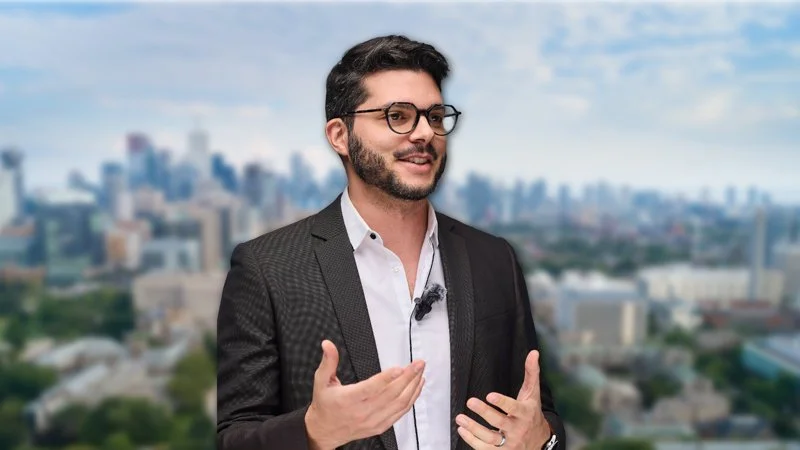
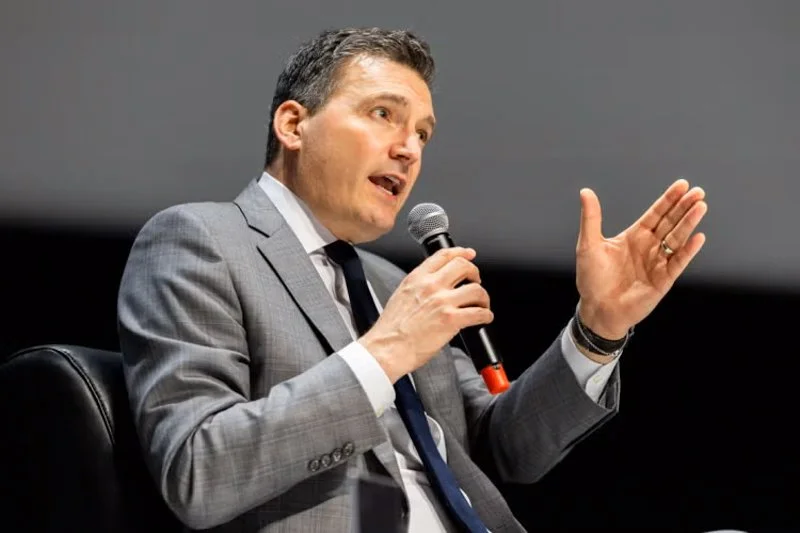
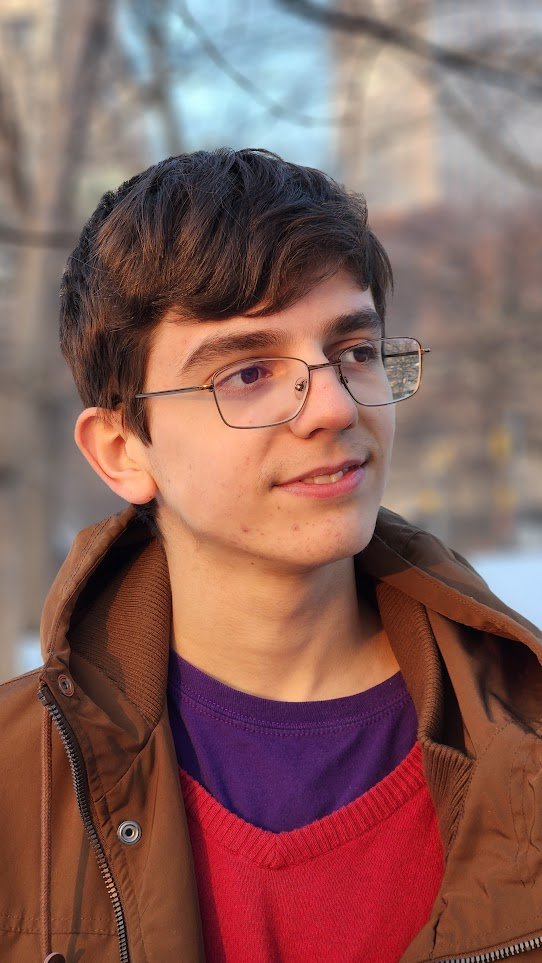
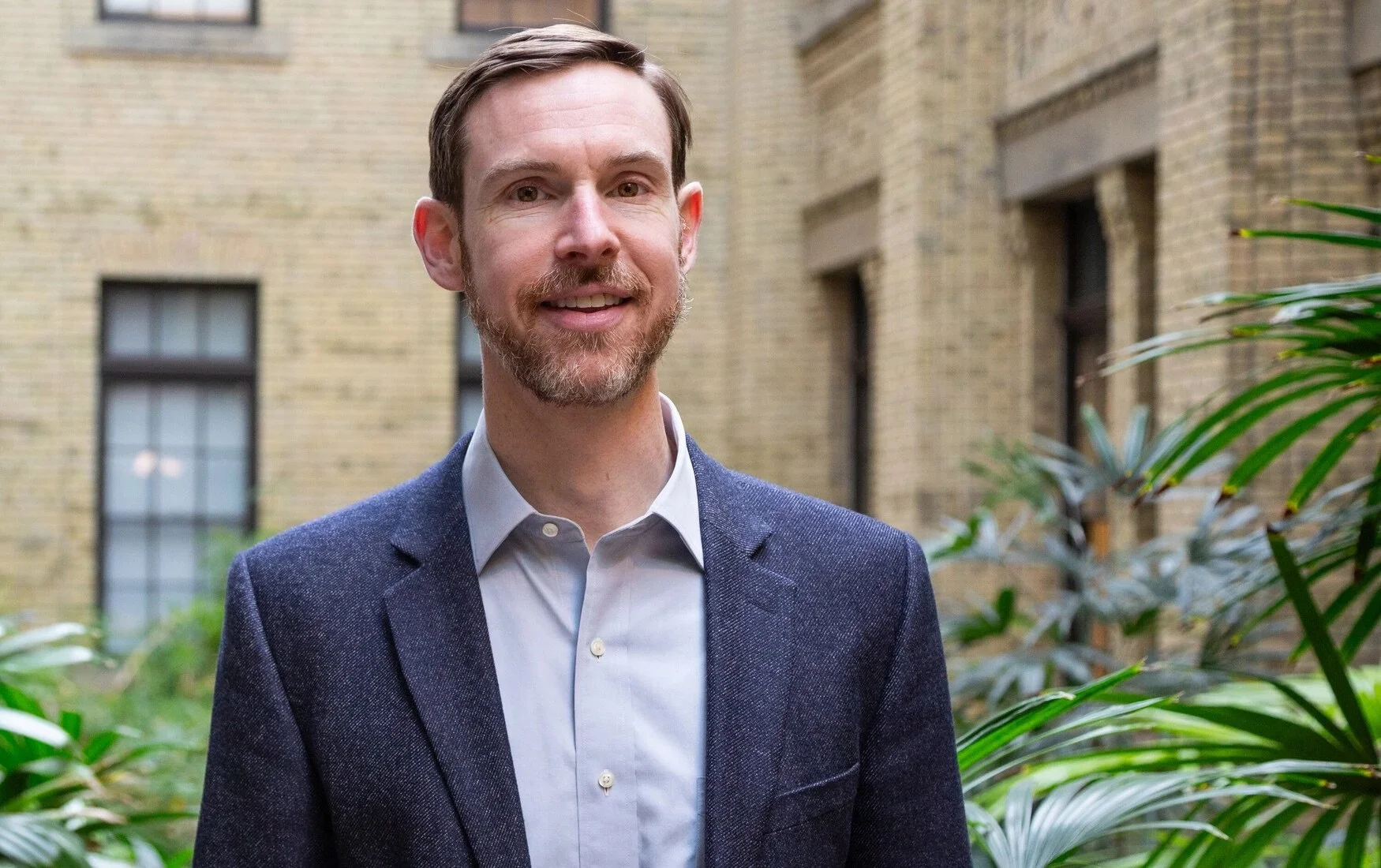
As the University of Toronto celebrates from March 2 to 6 鈥� a showcase of innovation, startup success and bold ideas across the tri-campus community 鈥� we are highlighting alumni who embody that entrepreneurial spirit. Liam Kaufman is one such graduate, translating cutting-edge research into impactful health technologies and building ventures that bridge science and industry.
Across roles as an entrepreneur, scientist, engineer and strategic leader, Kaufman has built a career focused on translating advanced AI and clinical research into real鈥憌orld health care tools.
After completing his BSc in psychology at Western University, Kaufman earned a master鈥檚 degree in medical science at the University of Toronto鈥檚 Faculty of Medicine (now known as the Temerty Faculty of Medicine) in 2008 and a BSc in computer science in 2011, also from U of T.
Kaufman has always had an entrepreneurial spirit. As a child he went door-to-door shoveling neighbours鈥� driveways for money and even made crafts to sell at his father鈥檚 birthday party. His first adult success came shortly after graduating from U of T, with 鈥� a tool for collecting anonymous feedback during class. The platform gained international media attention before being acquired by EventMobi.
Currently, Kaufman serves as executive vice president of product and academic at Cambridge Cognition, where he helps guide the company鈥檚 global strategy in cognitive assessment technologies and digital biomarkers. Before joining Cambridge Cognition, he was the co鈥慺ounder and CEO of Winterlight Labs, which develops speech鈥慴ased digital biomarkers for cognitive impairment and mental health (acquired by Cambridge Cognition in 2023).
We talked to Kaufman about his path to working at the intersection of neuroscience, machine learning and digital health innovation.
How did you become interested in neuroscience?
I did my undergrad at Western in psychology and kept gravitating to the science side 鈥攕tats, methods, functional MRI. I鈥檇 also been reading pop鈥憂euroscience books and was captivated by how scientists use tools and methodology to explore how we think and learn. After graduating, I worked at BC Children鈥檚 Hospital as an MRI tech/research assistant, which let me apply what I鈥檇 learned in a real clinical setting. I liked the rigour and objectivity of science, and neuroscience felt like the intersection of what I loved 鈥� plus I wanted to work with patients and see what I was learning in action, day to day.
For your postgrad, how did you land on the Institute of Medical Science at U of T?
I wanted something applied, and IMS put me in a hospital environment (Sunnybrook Health Sciences Centre) working directly with patients, not just in a theoretical or purely academic context.
Candidly, the stipend also mattered. Toronto isn鈥檛 cheap for grad students, and IMS had one of the highest stipends, which helped.
The program catered to clinicians and residents, so I didn鈥檛 have to TA and could focus on research and data collection. Working with (MD 鈥�78, PGME Neurology) was formative: high rigour, high expectations. I learned to only say what I could back with evidence and got a lot of practice presenting to committees, which was great for building confidence and learning how to talk with experts who know more than you.
What did you study?
My thesis focused on a specific eye鈥憁ovement task called the anti鈥憇accade task. Normally, when something appears in your peripheral vision, you automatically look toward it. We trained people to look in the opposite direction, which requires executive control to inhibit that automatic gaze. Healthy people are generally good at this, but when the frontal lobes are damaged, the task becomes much harder. Alzheimer鈥檚 is usually thought of as a memory disorder affecting the temporal lobes, but what we showed was that people with Alzheimer鈥檚 and mild cognitive impairment had clear difficulties with this task 鈥� they were much more likely to look toward the stimulus. I did a meta鈥慳nalysis and published our findings, adding more evidence that Alzheimer鈥檚 involves impairments beyond memory.
What prompted you to pivot to computer programming?
I planned to do a PhD and had strong support. But after a late night prepping for a talk, I asked myself if that鈥檚 what I wanted for the next three to four years 鈥� especially given how competitive hospital scientist jobs are. Meanwhile, I鈥檇 taught myself enough programming for side projects and data analyses to realize I liked the challenge and the tangible problem鈥憇olving. Employment prospects also looked stronger, so I decided to bridge the two fields. I hadn鈥檛 taken math in years, so I blitzed grade鈥�10 through grade鈥�12 material in a few months to be adequately prepared for computer science at U of T. In retrospect, having both skill sets has been really useful.
How did you get your start as a digital health entrepreneur?
Right after graduating, I launched Understood.it. It got good press 鈥� CTV, Toronto Star, even the front page of TechCrunch 鈥� which gave me a taste of early traction. EventMobi acqui鈥慼ired us; they were more interested in the team than the product, and I led their mobile app group as a developer/manager.
I still wanted to get back to the neuroscience-computer science intersection, so in 2015 I met with who was a U of T faculty member at the University Health Network鈥檚 Toronto Rehabilitation Institute at the time. His expertise was in computational linguistics and natural language processing, and his research showed you could probably detect Alzheimer鈥檚 with about a minute of speech. I found the work intellectually captivating and I could see the potential for commercialization. I left my job, taught a computer science course to patch together income, and with two of Frank鈥檚 grad students we started Winterlight Labs that fall.
How has your medical science education at U of T helped you in your career?
Sandra鈥檚 mentorship taught me rigour: if I鈥檓 going to say something, I need evidence. As an entrepreneur, that translates directly to how I prepare for investors and customers 鈥攃hoosing words carefully, anticipating questions and backing up claims.
IMS also forced me into regular, polished presentations to advisory committees, which made me a better public speaker and more comfortable engaging experts.
Beyond training, the U of T ecosystem mattered. Winterlight went through Rotman鈥檚 Creative Destruction Lab and the Temerty Faculty of Medicine鈥檚 Health Innovation Hub (H2i). H2i made pivotal introductions that helped us get pharma traction and funding. U of T鈥檚 combination of strong medical research and strong AI created the right environment to build at that intersection.
How are you evolving your product and business now? What鈥檚 on the horizon?
The business exploded during COVID, but in 2023鈥�2024 it was tough 鈥� biotech funding dropped and studies slowed. In 2025 we鈥檝e seen a real rebound. The tech we鈥檝e built over 10-plus years is now in a lot of trials. We started in Alzheimer鈥檚 and, since 2019, have been expanding into schizophrenia and depression. Pharma increasingly wants to measure what matters to patients 鈥� communication, memory, orientation 鈥� which aligns with our approach.
On the tech side, we鈥檙e adding languages (we support nine or 10 now and keep adding), automating more and scaling. Speech is captured in basically every central nervous system clinical trial for quality assurance, so there鈥檚 opportunity to analyze speech alongside third鈥憄arty assessments 鈥� and potentially in health care more broadly, analyzing doctor鈥損atient conversations with consent. We鈥檙e still just scratching the surface.
鈥�