Top

海角视频

Meet the Class of 2026

Each year, our undergraduate and graduate students chart unique paths through computer science 鈥 shaped by research, community, creativity and real-world impact. From exploring interdisciplinary questions to mentoring peers and launching new ideas, they bring curiosity and initiative to every aspect of their work.

As they complete this chapter at the University of Toronto, they reflect on the experiences that defined their time here and the directions they鈥檙e heading next.

Undergraduate Class of 2026

Research Stream (MSc & PhD)

MSc in Applied Computing (MScAC)

Meet our MScAC grads and see how the program shaped their careers.

Canada can play a leading role in the next wave of AI innovation: Waabi CEO Raquel Urtasun

鈥淭here is so much capital that we can attract and there is such incredible talent that we have here," Urtasun told U of T President Melanie Woodin during a BetaKit event at Toronto Tech Week

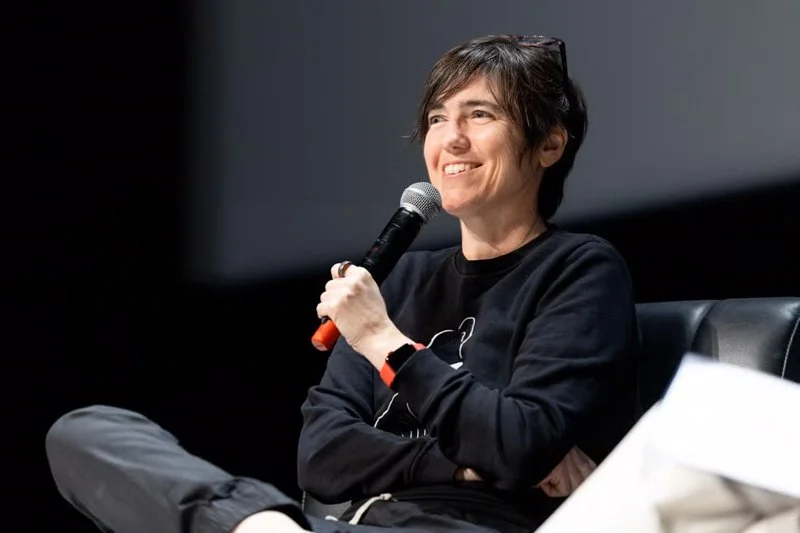
Close-up of a person seated on stage, holding a microphone during a talk, wearing a black sweatshirt and smartwatch against a dark background.

Raquel Urtasun, a U of T professor of computer science who is an expert in autonomous vehicle technologies, is the founder and CEO of self-driving trucking company Waabi, which recently raised up to US$1 billion (photo by Lilac Media / BetaKit)

From self-driving vehicles to new frontiers in robotics, the next wave of AI is moving beyond the digital world 鈥 and Canada has the necessary ingredients to chart a bold path forward.

Attendees at a BetaKit Most Ambitious town hall on May 25 heard how innovators, buoyed by the country鈥檚 strong university-based research system, could play a critical role in safeguarding Canadian sovereignty in this new era.

Raquel Urtasun, founder and CEO of self-driving vehicle company , said transportation is an example of a critical industry that鈥檚 undergoing a major shift.

鈥淭ransportation is something core where 鈥 quoting Evan Solomon, our minister of AI 鈥 鈥榃e need to make sure that we have control over our destiny,鈥欌 said Urtasun, who is also a professor of computer science at the University of Toronto, during a fireside chat with U of T President Melanie Woodin.

鈥淲e need to make sure we can move goods and people regardless of how geopolitics and the world evolve over the next few years.鈥

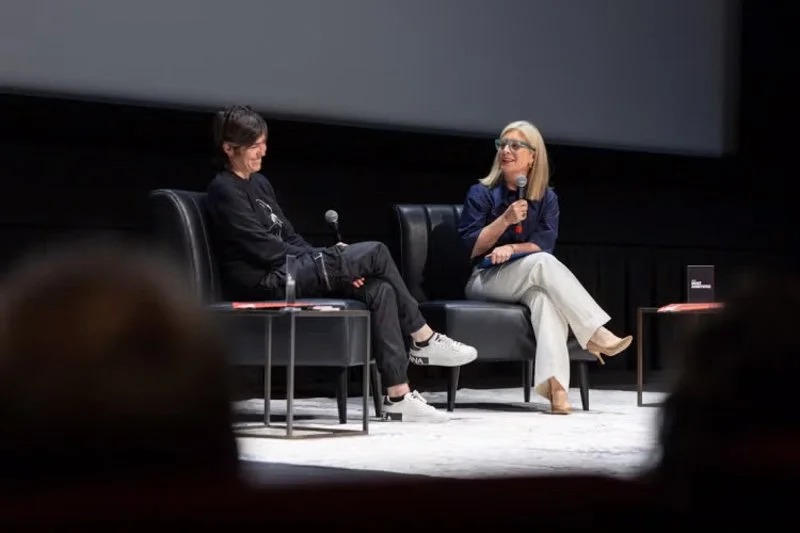
Two people seated on stage in armchairs, each holding a microphone and speaking during a live discussion, with a small table between them and a large screen in the background.

Waabi CEO Raquel Urtasun in conversation with U of T President Melanie Woodin (photo by Johnny Guatto)

Held at the TIFF Bell Lightbox, the event 鈥 part of 鈥 celebrated the innovators named in BetaKit鈥檚 Most Ambitious 2026 issue, . It featured remarks from tech, entrepreneurship and political leaders including Solomon, Canada鈥檚 minister of artificial intelligence and digital innovation, Toronto Mayor Olivia Chow and Christian Weedbrook, a former U of T postdoctoral researcher who is the founder and CEO of quantum computing company Xanadu, which recently made its debut as a public company.

Urtasun said Canada鈥檚 deep roots in AI research and talent offers an opportunity to lead the way in next-generation automotive technology. While the transportation landscape has long been controlled by large car and truck manufacturers, she said that鈥檚 changing with self-driving tech.

In addition to Waabi, Urtasun noted that Canada is home to several other key players in autonomous transportation including parts manufacturer Magna International and operating system developer Blackberry QNX. 鈥淲e have all the important pieces in order to really lead the transportation of the future ... versus 鈥楲et's just try to follow the U.S. and try to have something that's competitive here,鈥欌 Urtasun said.

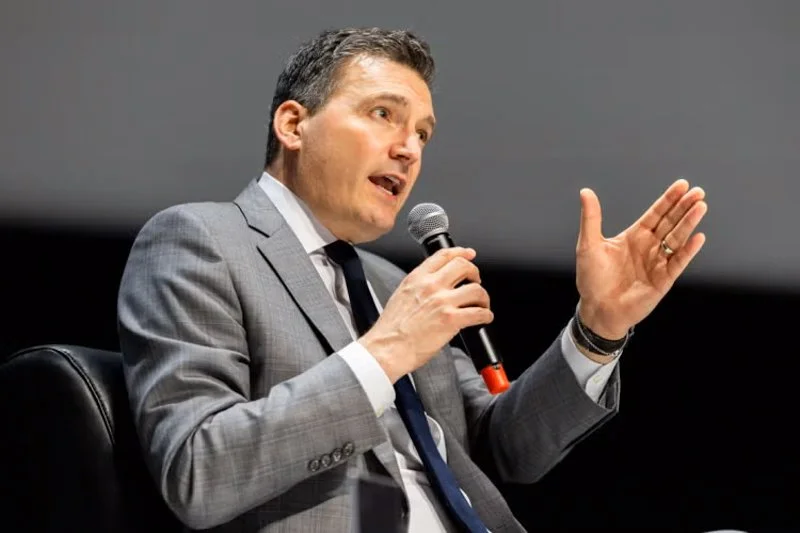
Person in a grey suit speaks into a handheld microphone on stage, gesturing with one hand during a panel discussion.

Evan Solomon, Canada鈥檚 minister of artificial intelligence and digital innovation, speaks at the BetaKit event at Toronto Tech Week (photo by Lilac Media / BetaKit)

Waabi has already made . In January, the company announced it raised US$750 million to accelerate commercialization of its self-driving technology 鈥 its investors include Volvo, whose driverless truck is powered by Waabi 鈥 in addition to US$250 million in milestone-based funding from Uber to expand into robotaxis.

Urtasun said she hopes to see more Canadian success stories in the sector. 鈥淭here is so much capital that we can attract and there is such incredible talent that we have here in Toronto, and in Canada in general, that we could become 鈥榯he鈥 player that dictates what it鈥檚 going to be.鈥

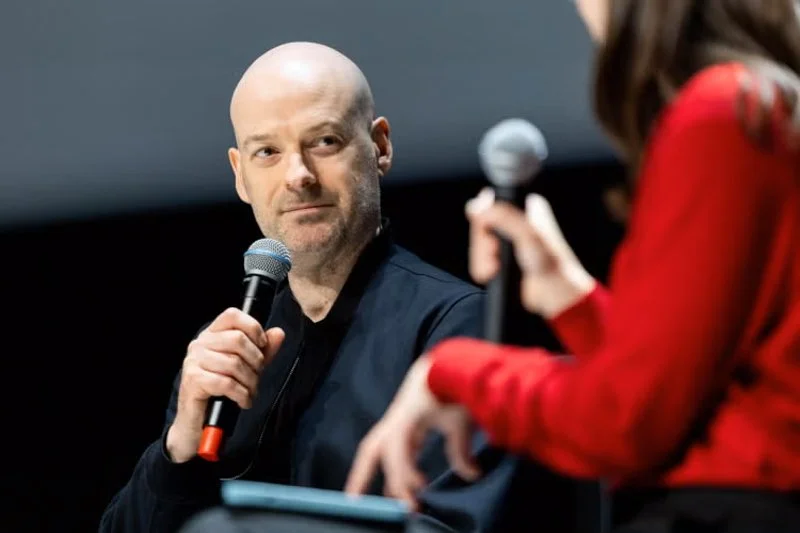
Close-up of a person holding a microphone on stage, looking toward another speaker in the foreground during a live discussion.

Christian Weedbrook, a former U of T postdoctoral researcher, founded quantum computing company Xanadu (photo by Lilac Media / BetaKit)

Urtasun offered a bold prediction: a majority of vehicles on the road would be 鈥淲aabi-powered鈥 within a decade. She also said there were many other potential applications for the company鈥檚 physical AI platform, ranging from elder care to mitigation of industrial accidents. 鈥淪elf-driving is the first big vertical,鈥 she said, adding that 鈥渘ot going all in on physical AI would be such a big miss for the country.鈥

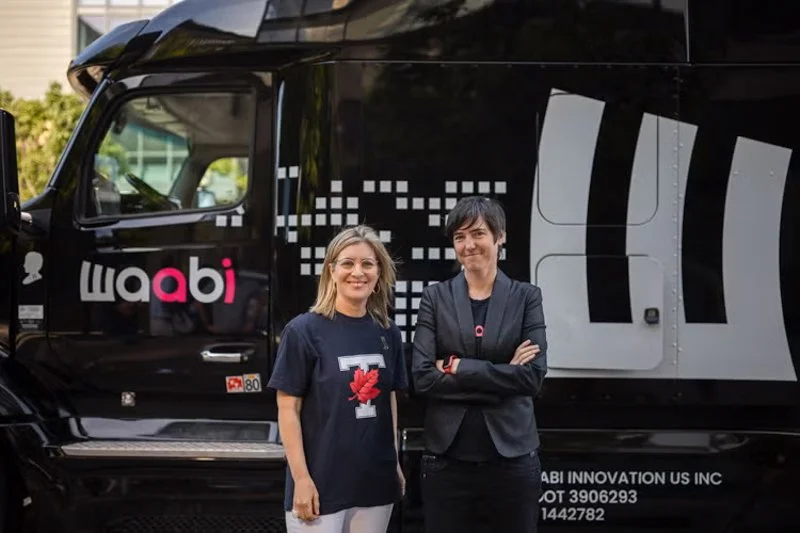
Two people stand in front of a black truck with 鈥渨aabi鈥 branding, posing side by side outdoors.

U of T President Melanie Woodin, then dean of the Faculty of Arts & Science, and Raquel Urtasun on campus with one of Waabi鈥檚 self-driving trucks (photo by Nick Iwanyshyn)

The conversation also explored the benefits of academics embarking on entrepreneurial ventures. Recounting Urtasun's proposal to take on a leadership role at Uber鈥檚 self-driving lab in Toronto in 2017, Woodin 鈥 then the dean of the Faculty of Arts & Science 鈥 said the arrangement provided U of T graduate students with a compelling opportunity to conduct research and innovation at the forefront of the field.

She added that , have also acted as entrepreneurial role models, inspiring students 鈥渢o want to follow that path.鈥

Urtasun, for her part, thanked Woodin and former U of T president Meric Gertler for their support.

鈥淪ince then, there are many faculty who have provided similar avenues for their students to not have to compromise between academia and industry 鈥 but do something that is better than either one of them alone.鈥


鈥 Original story by Rahul Kalvapalle at

Professor Emeritus Eugene Fiume honoured with Lifetime Achievement Award by CS-Can | Info-Can

Eugene Fiume is a computer scientist and academic leader whose research in computer graphics and long鈥憇tanding service to the discipline have earned national and international recognition. 

CS student leads U of T at Putnam Math Competition and earns U of T Excellence Award

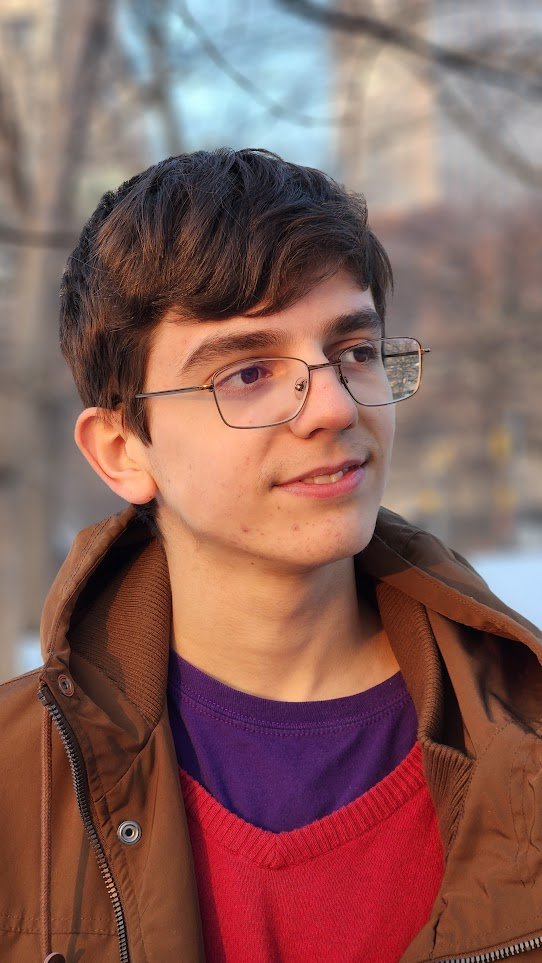
Boyan Litchev (Photo: Sanjana Iyer)

The math problem in front of Boyan Litchev felt familiar 鈥 something a professor might pose in class. For the next two hours, the second-year computer science and math specialist worked through it, erasing and starting over more than once. When he set down his pen with 20 minutes to spare, he felt satisfied. And for good reason.

Litchev was the highest University of Toronto scorer at the , a prestigious contest for undergraduate students across Canada, the U.S. and Mexico. The competition awards scholarships and cash prizes of up to $2,500 to top students and up to $25,000 to top schools.

Following the achievement, Litchev also became a (UTEA) recipient 鈥 a rare honour for a second-year student.

Finding meaning in the challenge

While the recognition is significant, for Litchev, competitions like Putnam are just as much about something else: a deeper connection to the subject.

鈥淭he biggest benefit of Putnam is the opportunity to get excited about math and discuss math with others,鈥 he says. 鈥淭here鈥檚 also something really fun about seeing a question and intuitively knowing why the claim would make sense, but working out the details and making sure your answer is coherent so you can share it with others. It creates a sense of community.鈥

Professor Ignacio Uriarte-Tuero understands that sense of community well. As the local organizer for Putnam, he helps students prepare through group study sessions. He sees the competition as a strong indicator of ability and potential.

鈥淪uccess indicates that students have a very good ability to solve problems and high standards of rigour because the marking system is very hard,鈥 he says. 鈥淧eople who have done well in Putnam have often gone on to be very good researchers later. There is a high correlation.鈥

Unlike more procedural problem-solving, where the path to a solution is often clear, Putnam-style questions require patience and a willingness to explore. Not knowing where a problem will lead and working through the ambiguity is part of the draw. At the same time, Litchev says coursework concepts helped inform his approach, highlighting how competition math and classroom learning reinforce one another.

鈥淭here were Putnam problems I solved because of what I had learned in the classroom,鈥 he says. 鈥淎nalysis and topology especially helped. I鈥檝e also heard people say that competition improves their mathematical maturity and helps them approach problems better, which also helps in class. The process of thinking about abstract math is transitive.鈥

From competition to research

That trajectory is already taking shape through Litchev鈥檚 UTEA fellowship, which will give him direct experience on a faculty-led research project. UTEAs are valued at a minimum of $7,500. Litchev says he鈥檚 looking forward to spending 16 weeks in the lab, working with his supervisor and peers on developing a cryptographic protocol.

鈥淚鈥檓 excited to be able to work on this project over the summer, and I鈥檓 already starting to think about how I鈥檒l approach it,鈥 he says. 鈥淚鈥檓 also glad the university is valuing this type of research and trusting me to do it. It鈥檚 a great opportunity.鈥