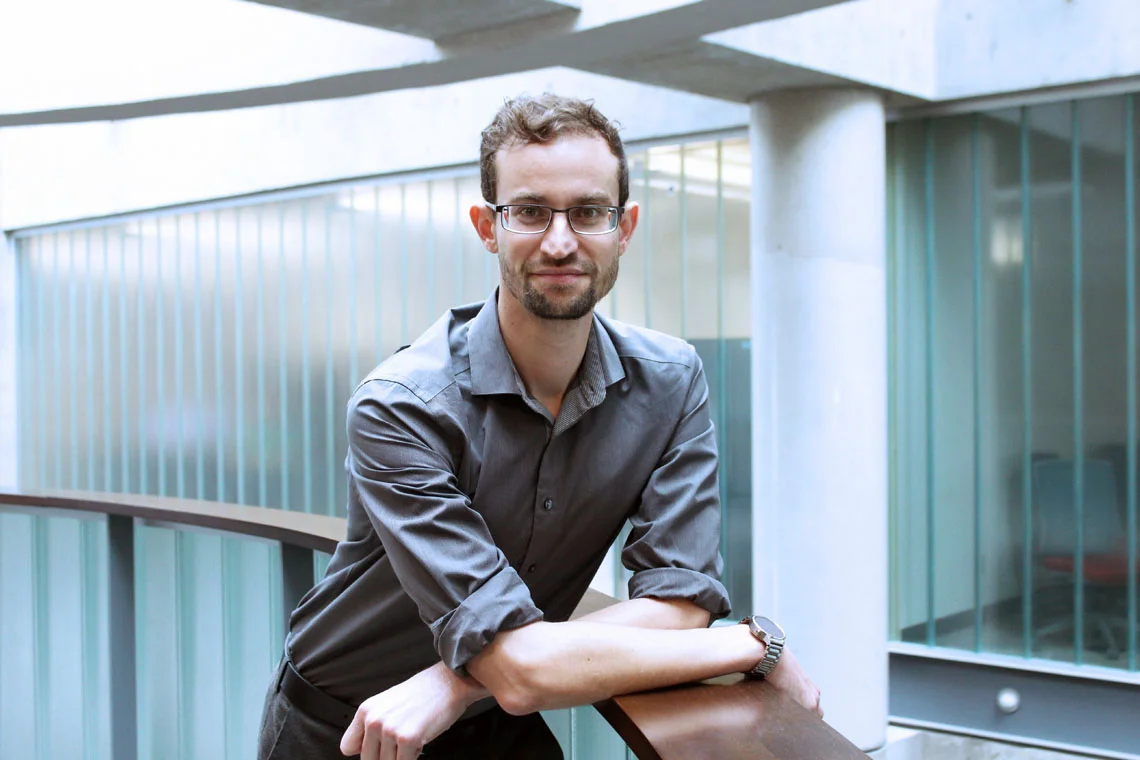
Assistant Professor Joseph Jay Williams investigates how people learn by explaining 'why?', as well as applying statistics and machine learning to modeling how people think.

Former Google CEO lauds role of universities in Canada's innovation ecosystem
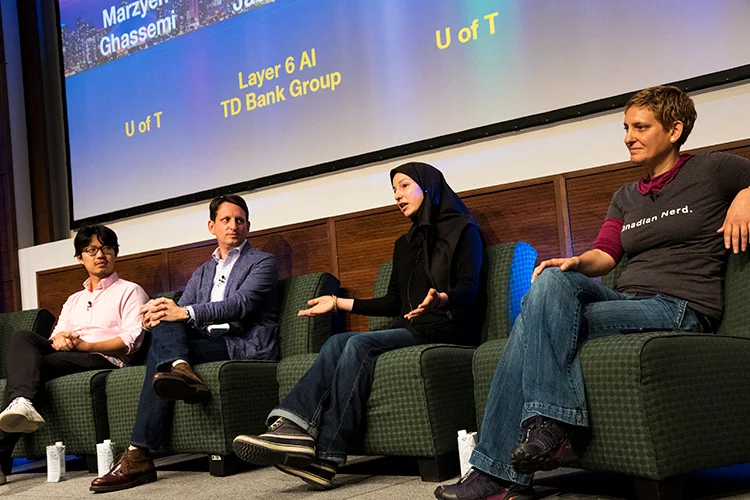
Toronto鈥檚 tech boom 鈥 driven in part by artificial intelligence research at the University of Toronto 鈥 has prompted talk of a "Silicon Valley North." But those actually ensconced in the Bay Area instead paint a picture of a research-driven innovation hub that鈥檚 collaborative, inclusive and uniquely Canadian.
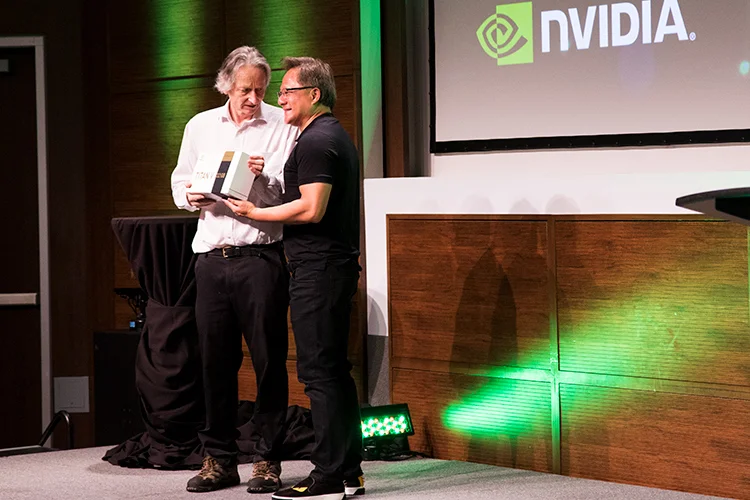
Nvidia CEO Jensen Huang calls Canada's AI talent 'incredible,' a key resource
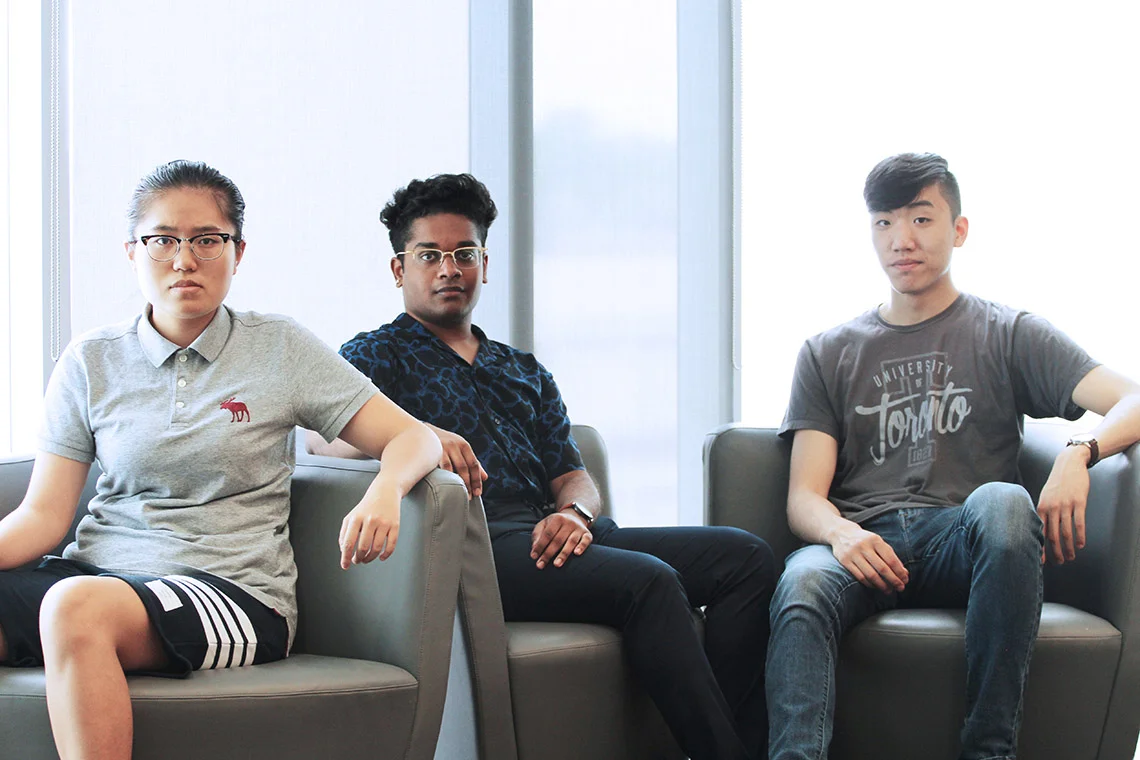
鈥嬧嬧嬧嬧嬧嬧嬧嬧嬧嬧嬧嬧婾 of T students awarded RBC Amplify's 'most disruptive' prize for AI used in monitoring e-transfers
From data visualization to AI in health care: Big ideas, new solutions from U of T undergraduate researchers
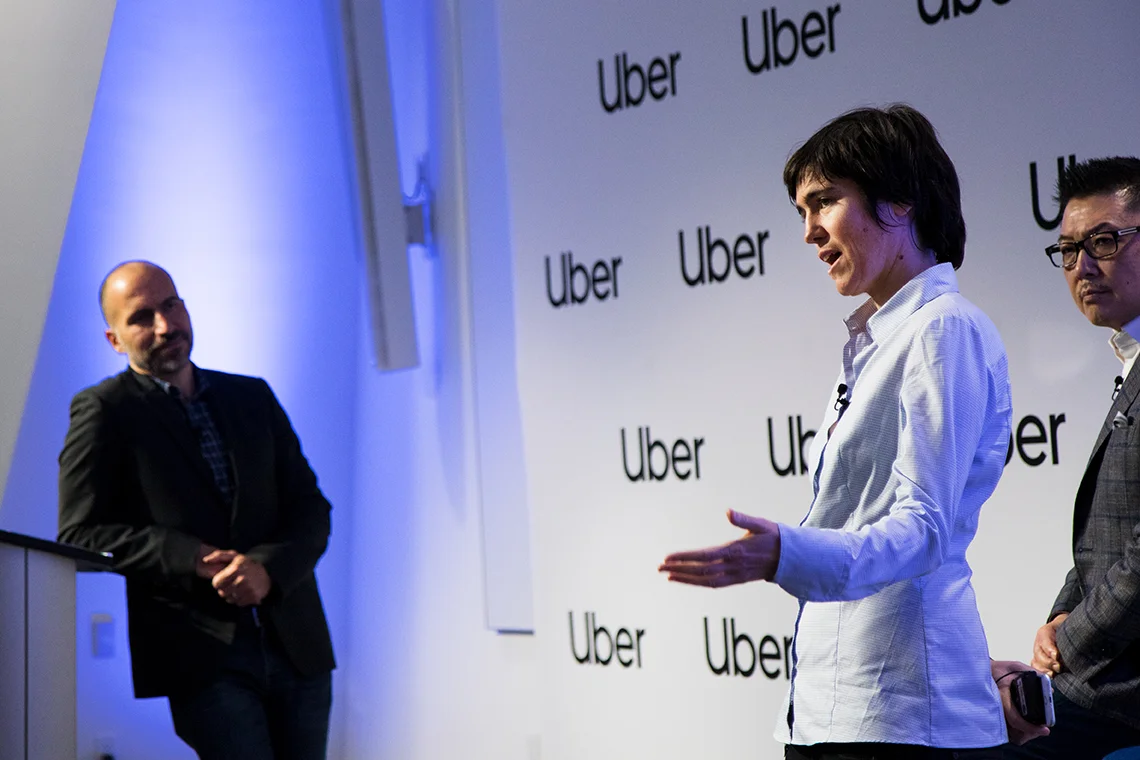
Uber seeks top Toronto talent with $200-million investment
A recipe to save lives: Geoffrey Hinton and David Naylor call on physicians to embrace AI
U of T expert helps lead consultations with Canadians on digital and data transformation
U of T experts use deep learning AI for predictive animation
U of T experts in AI explore a classical problem of computer science
U of T alumni and graduate students part of Layer 6 AI's win in global competition
U of T computer science student part of team that wins Imagine Cup
U of T innovation centre to help form 'new cornerstone' of the Canadian economy
U of T computer science researchers tackle voter distribution and how it affects gerrymandering in the U.S.
In the early 19th century, Massachusetts Governor Elbridge Gerry reconfigured the state districts to guarantee the U.S. Senate election of Democratic-Republican candidates in opposition to the Federalists. It was said the new boundary of Essex County looked like a salamander, but an opponent quipped it looked more like a gerrymander.